
Last Updated: May 2026
Not every event format fits every organization. The right format can double your net revenue; the wrong one can consume months of planning with little to show for it. This guide covers 25 proven nonprofit event ideas with a budget range, best-fit audience, and practical tips for each format, so you can choose with confidence. If you’re new to organizing events, this event management portal guide covers how to handle registrations and day-of operations from day one.
Key Takeaways
- America’s top 30 peer-to-peer fundraising programs raised a combined $1.14 billion in 2024. Events remain one of nonprofits’ most reliable revenue drivers (Peer-to-Peer Professional Forum, 2024).
- This guide covers 25 proven event ideas across four categories: fundraising, community building, virtual, and low-budget.
- Budget key: $ = under $500 | $$ = $500–$5,000 | $$$ = $5,000+
What Are the Best Fundraising Event Ideas for Nonprofits?
In-person fundraising events remain one of the highest-converting channels for major gifts. Donors who attend events typically give significantly more per year than those who don’t, making event strategy central to most major gift programs. Here are seven formats worth building into your annual calendar.

1. Charity Gala or Dinner
Budget: $$$
A formal annual dinner that combines donor recognition, live entertainment, and a high-impact fund-the-mission appeal. For mid-size organizations, a well-run gala typically raises $25,000–$100,000 in a single night. Secure your venue and lead sponsors 4–6 months in advance. The economics rarely work without confirmed sponsors before you lock the date.
Who it’s for: Nonprofits with at least two to three years of operating history and a donor list of 200 or more.
2. Silent Auction
Budget: $$
Silent auctions drive engagement through healthy competition. Nonprofits earn an average of 30% more revenue when they move from paper bid sheets to digital formats (Silent Auction Pro). A mobile-friendly event platform lets guests bid directly from their phones, cutting friction and increasing bid frequency.
Who it’s for: Schools, arts organizations, and community foundations that can secure 20 or more quality donated items.
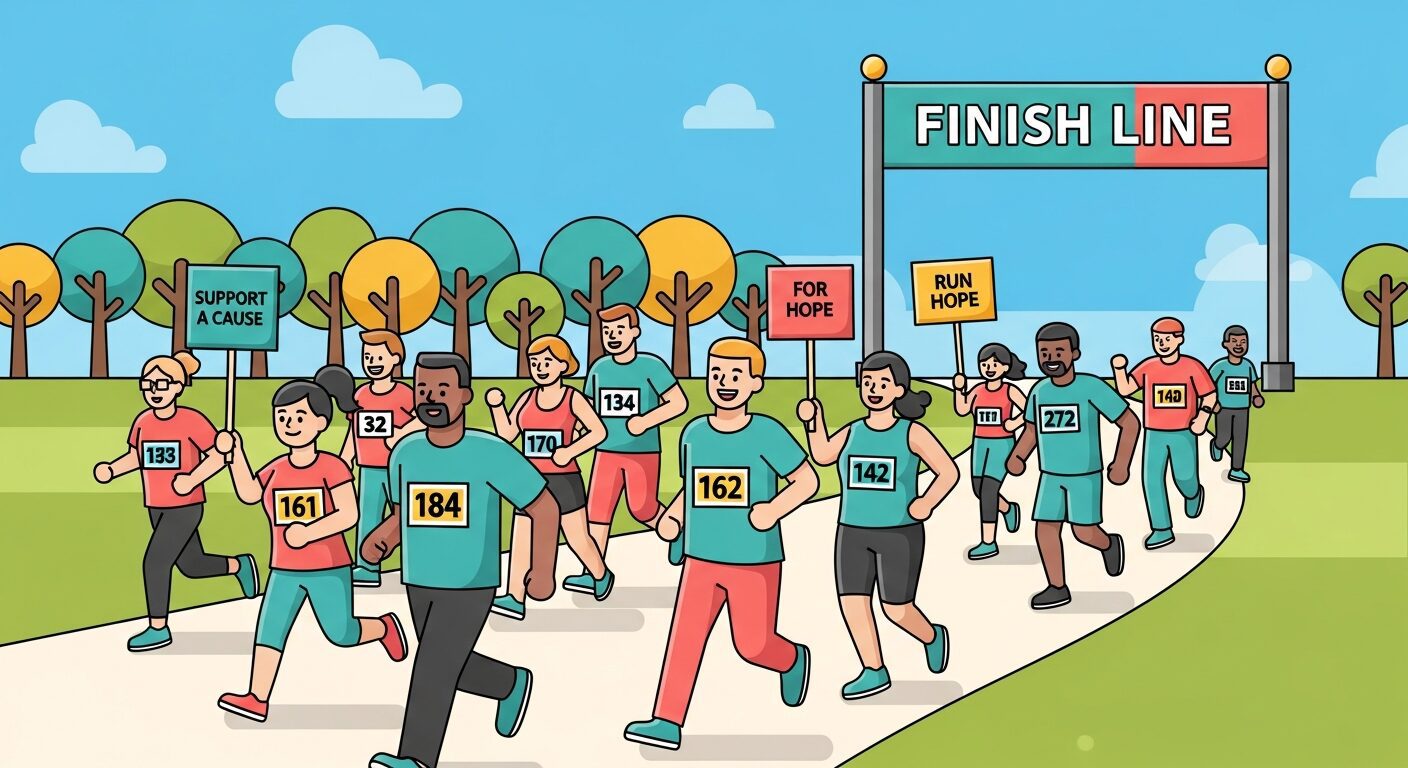
3. Walkathon or Fun Run
Budget: $$
Participants collect pledges from their personal networks. The average participant raises between $120 and $180 (OneCause, 2024). That makes walkathons one of the strongest formats for peer-to-peer growth and for reaching younger donors who prefer participatory giving over writing a check.
Who it’s for: Schools, health and wellness nonprofits, and youth organizations.
4. Peer-to-Peer Fundraising Campaign
Budget: $
Your supporters already have networks your nonprofit can’t reach directly. Give each participant a personal fundraising page they can share on social media, paired with a story template and a clear reason to give. Nonprofits using Raklet’s personal fundraising pages consistently see higher average gift sizes compared to standard donation form campaigns.
Who it’s for: Any size organization with a digital-savvy supporter base.
5. Golf Tournament
Budget: $$$
Golf tournaments are built for corporate sponsorship. Events with 100–144 players and 10–15 confirmed sponsors routinely net $20,000–$60,000. Offer tiered “hole sponsorships” to local businesses to lock in revenue before the first tee-off.
Who it’s for: Nonprofits with established corporate sponsor relationships and board members in business circles.
6. Trivia Night
Budget: $
Trivia nights are high-energy and cheap to run. Sell “mulligans” (paid cheat passes) to teams to add 15–20% to your total revenue on the night without any additional overhead.
Who it’s for: Community-based nonprofits, local chapters, and alumni groups whose audience enjoys social, lighthearted events.
7. Cook-Off or Bake Sale
Budget: $
Community members compete for the best chili or pie. Sell “tasting tickets” so attendees can sample and vote, giving first-time visitors a low-pressure entry point to your mission. Because participants donate the food, out-of-pocket costs typically stay under $200.
Who it’s for: Grassroots organizations, faith communities, and neighborhood groups.
How Do Community Building Events Help Nonprofits Grow?
Community events do something transactional events can’t: they build the trust that keeps donors coming back. Existing nonprofit donors have a 69% retention rate, compared to just 19% for first-time donors (Double the Donation, 2024). The six formats below prioritize relationship-building over immediate revenue.
8. Volunteer Day or Service Project
Budget: $
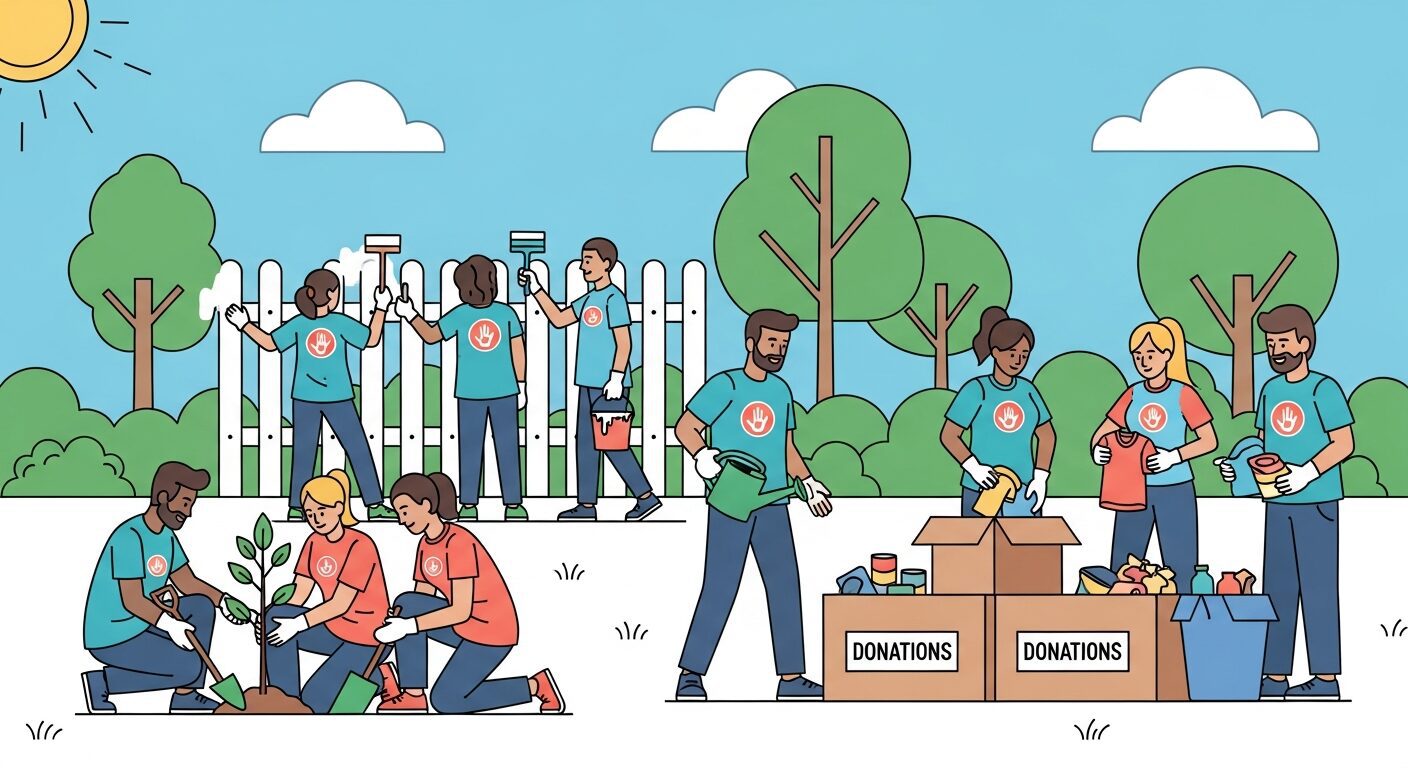
Invite donors to see the work firsthand. Volunteers who give time are significantly more likely to give money, and a hands-on afternoon builds emotional connection faster than any email sequence. Environmental nonprofits, food banks, and housing organizations are natural fits for this format.
Who it’s for: Mission-driven nonprofits whose work lends itself to hands-on participation.
9. Member Appreciation Mixer
Budget: $
A “no-ask” event dedicated entirely to saying thank you. Use a check-in system to track which VIPs attended, then tailor your follow-up stewardship plan to each person. In our experience, organizations that run an annual mixer 60–90 days before renewal see measurably higher renewal rates than those who rely on email alone.
Who it’s for: Associations and membership organizations. Schedule it 60–90 days before your annual renewal window opens.
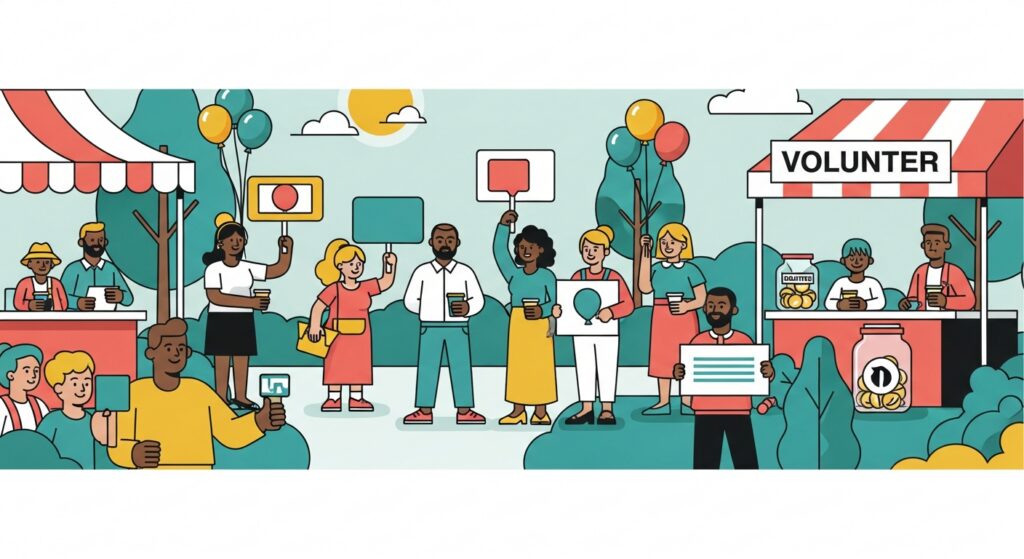
10. Community Fair or Festival
Budget: $$
Partner with local vendors to host a family-friendly afternoon. Well-run community fairs net $8,000–$25,000 through booth fees, ticket sales, and sponsorships, while putting your name in front of the entire neighborhood at once.
Who it’s for: Local nonprofits with strong community roots and a volunteer base large enough to manage day-of logistics.
11. Panel Discussion or Speaker Series
Budget: $
A panel or speaker series positions your nonprofit as the authority on your cause area. Host in libraries or donated community spaces to keep overhead near zero. A four-event annual series can net $5,000–$15,000 and produces recordings that extend your reach year-round.
Who it’s for: Advocacy organizations, education-focused nonprofits, and professional associations.
12. Annual Picnic
Budget: $
A relaxed gathering that lowers the barrier to entry for new families. Families who attend regularly bring new faces every year, and children who grow up at your events often become adult donors. The financial return is modest; the community return is compounding.
Who it’s for: Family-friendly nonprofits, faith communities, and youth organizations.
13. Charity Sports Tournament
Budget: $$
Sports tournaments spread awareness through social media sharing because participants post their own content before, during, and after the event. A one-day tournament with 20–30 teams can net $5,000–$15,000 through registration fees and sponsorships.
Who it’s for: Youth organizations, sports-affiliated nonprofits, and alumni groups.
What Virtual Event Ideas Work Best for Nonprofits?
Virtual events reach donors your in-person events never will, with no venue deposit and no catering bill. Giving Tuesday 2024 raised $3.6 billion globally, a 16% year-over-year increase (GivingTuesday, 2024), showing just how much donor appetite exists for online giving.
14. Online Auction
Budget: $
Keep the bidding open for a full week rather than a few hours. Sustained engagement over multiple days generates significantly more bids than a single-night push. Pair the closing window with a social media countdown to drive a last-minute surge at no added cost.
Who it’s for: Any organization with donated items of broad appeal and an email list of at least 500 contacts.
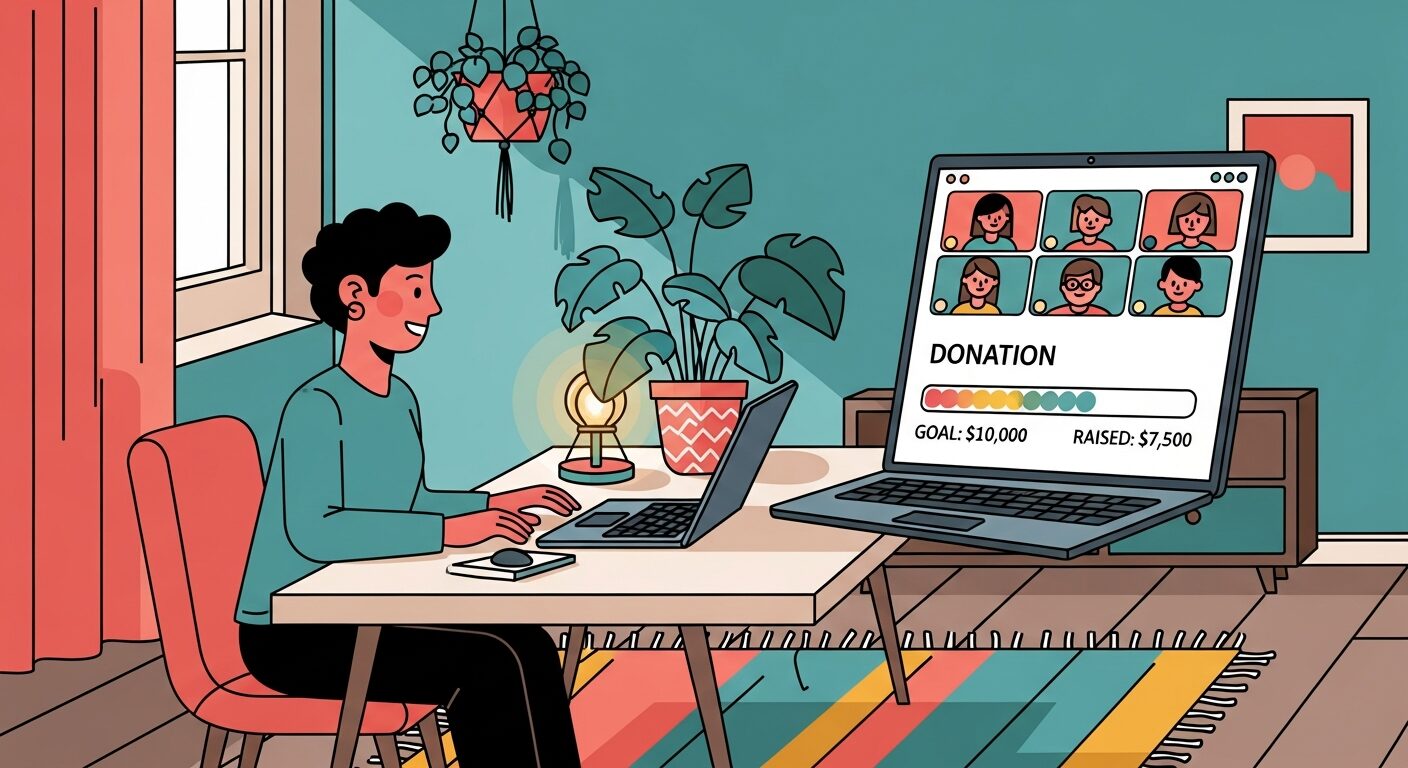
15. Virtual Gala
Budget: $$
A livestreamed experience that combines storytelling with a live fund-the-mission appeal. Keep the program under 75 minutes, as attention drops sharply after that point. Raklet organizations that managed virtual gala registrations through an integrated ticketing system reported fewer no-shows and higher live attendance rates compared to manual link distribution.
Who it’s for: Established nonprofits with a strong email list and donors spread across multiple cities or countries.
16. Educational Webinar
Budget: $
Share impact data with your supporters: not just what you do, but what changes because of it. Webinar attendees tend to convert to monthly donors at a significantly higher rate than cold email leads, because you’ve established credibility before the ask.
Who it’s for: Thought-leadership nonprofits, professional associations, and advocacy organizations.
17. Virtual Fitness Challenge
Budget: $
Participants track miles, steps, or laps via an app over a set period. There’s no upper limit on participants, and the format adapts to cycling, yoga, or swimming. For more ways to engage supporters online, see our guide to online fundraising.
Who it’s for: Health and wellness nonprofits, schools, and corporate partner campaigns.
18. Online Trivia Night
Budget: $
Online trivia nights let you engage donors across multiple time zones at once, using platforms like Zoom and Kahoot. They typically draw 50–200 participants and net $1,000–$5,000, which makes them a practical quarterly cultivation event for mid-level donors between bigger asks.
Who it’s for: Any size organization looking to maintain donor momentum between bigger annual events.
19. Crowdfunding Drive
Budget: $
Run a 24-hour “Day of Giving” with one specific, tangible goal. “Build 5 new wells today” consistently outperforms “support our annual fund” because donors can picture the outcome. Matched donations during these drives are twice as likely to be completed (Double the Donation, 2024).
Who it’s for: Any organization that can tell a specific, urgent story with a concrete, measurable outcome.
Low-Budget Nonprofit Event Ideas That Work
Budget rarely predicts success at the community level. Monthly giving grew 5% to reach 31% of all online nonprofit revenue (M+R Benchmarks, 2025), and low-cost community events are a reliable gateway to that recurring donor base. The six formats below each run for under $500.

20. Donation Drive
Budget: $
Focus on one category of goods: winter coats, school supplies, or hygiene kits. A specific ask drives higher participation than a general wish list, especially among supporters who prefer giving tangible items over cash.
21. Restaurant Partnership Night
Budget: $
Partner with a local restaurant that donates a percentage of that night’s sales to your cause. You bring the diners; they handle the venue, staff, and food. A typical night raises $500–$2,000 with minimal event overhead.
22. Movie Night Under the Stars
Budget: $
Rent a portable projector, secure a park permit, and charge $5–$15 per person. Movie nights net $1,000–$3,000 and introduce first-time attendees to your mission in a setting that feels nothing like a fundraising event.
23. Art or Talent Show
Budget: $
Showcase local creativity while raising funds through ticket sales, artwork commissions, and a “people’s choice” vote at $1 per ballot. Many galleries and community centers will donate the space in exchange for co-branding recognition.
24. Garage Sale or Rummage Sale
Budget: $
Ask supporters to donate unwanted items, then sell them over a weekend. Use an integrated mobile POS to accept card payments on-site. Cash-only sales can leave a significant share of potential revenue on the table from supporters who don’t carry cash.
25. Social Media Challenge
Budget: $
Give participants a simple video prompt, ask them to tag your nonprofit and three friends, and let the chain grow. Pair the challenge with a matching gift to amplify early momentum. This is one of the few low-cost formats where organic reach can genuinely exceed paid promotion. See our roundup of online fundraising tools to find the right platform for your campaign.
Manage Your Events Without the Headache
Planning a great event is only half the work. Manual guest lists and paper check-in sheets eat up time that should go to donor cultivation. If you’re evaluating platforms, our event management system guide covers the key features to look for. With Raklet, you can manage and track registrations, handle secure payments, and send automated reminders, all from one dashboard. On event day, check in attendees directly from your phone or tablet. No paper lists, no reconciliation the following morning.
Frequently Asked Questions
What nonprofit events raise the most money?
Charity galas and peer-to-peer fundraising campaigns consistently raise the most. Galas attract high corporate sponsorship; peer-to-peer campaigns multiply revenue through social networks. America’s top 30 peer-to-peer programs collectively raised $1.14 billion in 2024 (Peer-to-Peer Professional Forum, 2024). The right format still depends on your donor base and team capacity.
What are the best low-cost fundraising event ideas?
The lowest-cost formats with the strongest ROI include trivia nights, restaurant partnerships, and online auctions. These require little to no venue spend and rely on community participation. A restaurant partnership night can raise $500–$2,000 with essentially zero overhead.
How do we measure event success beyond funds raised?
Two metrics matter most: new donor acquisition (how many people gave for the first time?) and volunteer conversion (how many attendees signed up to help later?). First-time donors have only a 19% chance of giving again without active stewardship (Double the Donation, 2024). Following up within 48 hours is one of the highest-leverage actions after any event.
Choosing the Right Nonprofit Event for Your Mission
The right event depends on your audience and your team’s capacity. A gala builds major donor relationships; a walkathon broadens your peer-to-peer base; a restaurant night tests community appetite with no financial risk. Pick one format, run it well, and measure the outcome before adding a second. Use solid nonprofit event management tools to stay organized, and keep your focus on the relationships that turn a first-time attendee into a lifelong supporter.