

Last Updated: April 2026
HOA management covers every operational decision a homeowners association board makes: collecting dues, enforcing rules, maintaining shared spaces, communicating with residents, and keeping finances in order. Whether your board self-manages or works with a professional management company, the same core responsibilities apply. This guide walks through what HOA management involves, how to decide which path fits your community, and which practices and tools make the biggest operational difference.
What Is HOA Management?
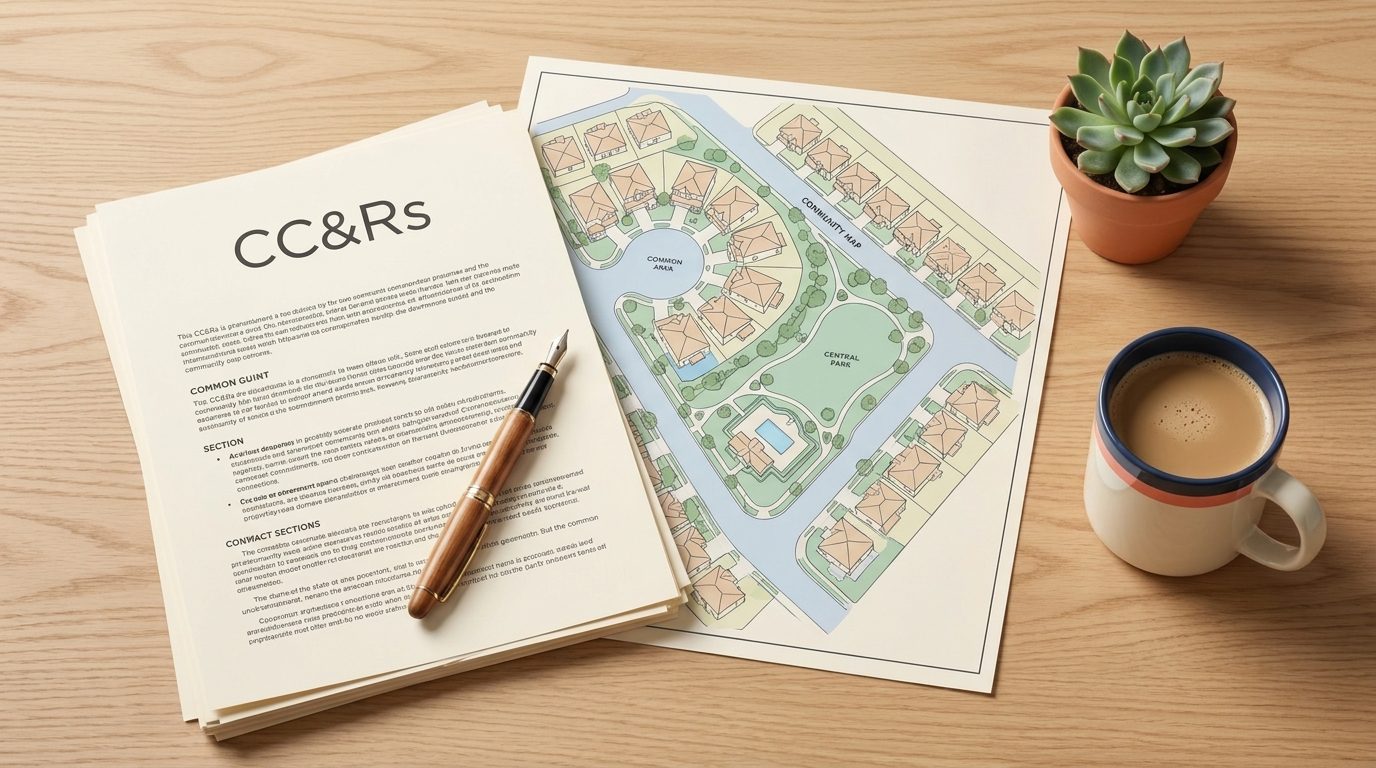
HOA management is the ongoing administration of a homeowners association. It encompasses financial management, physical maintenance of common areas, governance and rule enforcement, meeting coordination, and homeowner communication. The board of directors, elected by the community, carries legal fiduciary responsibility for all of it.
HOA governance is defined by three documents: the CC&Rs (Covenants, Conditions, and Restrictions), the bylaws, and the rules and regulations. The CC&Rs set what owners can and cannot do with their property. The bylaws define how the HOA itself operates. The rules and regulations cover day-to-day community standards. All three documents constrain what the board can do and what it must do.
HOA Management vs. Property Management
These two terms are often confused. HOA management governs a community association: common areas, shared infrastructure, and the rules that apply to all owners. Property management handles individual rental units on behalf of their owners. The scope is different, the legal framework is different, and the vendors who specialize in each are typically different companies. An HOA board should look for a firm that specifically works with community associations, not a residential property manager who also handles rentals.
Core HOA Board Responsibilities

Board members are volunteers, but the obligations they take on carry real legal weight. Most state HOA statutes impose fiduciary duties on board members, meaning they must act in the best interest of the association, not in their personal interest or the interest of individual owners. Boards should also confirm that the HOA carries adequate general liability and Directors and Officers (D&O) insurance, which protects individual board members from personal liability for good-faith decisions made in their official capacity. Here is what those responsibilities look like in practice.
Financial Management
The board collects monthly or annual dues, approves the annual budget, manages reserve funds, and authorizes expenditures. Reserve funds cover major repairs and replacements: roofs, HVAC systems, swimming pools, elevators, paving. The Community Associations Institute (CAI) tracks reserve fund health across thousands of associations and recommends that boards conduct a professional reserve study every three to five years to set an appropriate contribution rate. Underfunded reserves are one of the most common sources of special assessments, which are unpopular and sometimes legally contested.
The board should also maintain a separate operating account for day-to-day expenses and ensure that financial statements are reviewed monthly and audited annually by a CPA with experience in HOA audit standards.
Maintenance of Common Areas
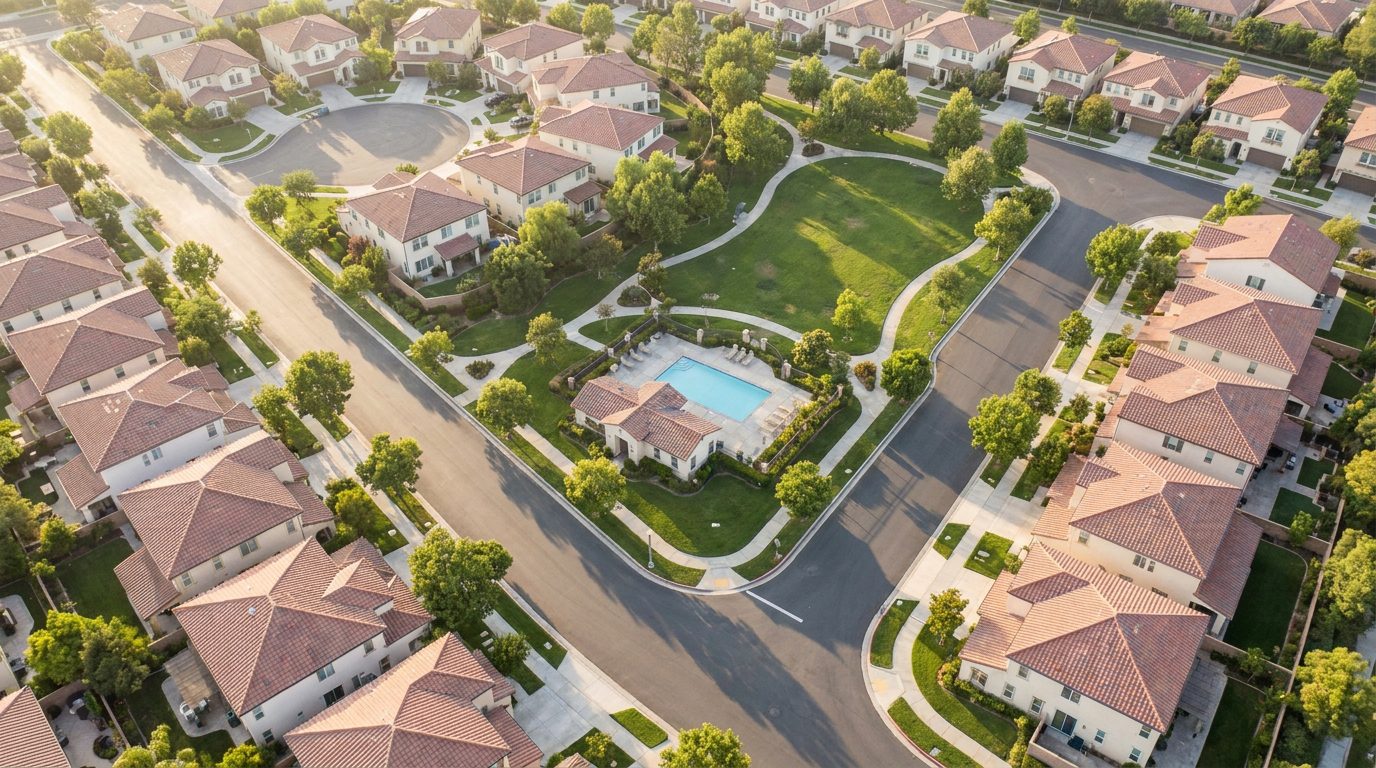
The HOA owns and maintains shared spaces: landscaping, parking lots, pools, fitness centers, playgrounds, hallways in condominium buildings, and exterior structures. The board selects and contracts with vendors, oversees the work, and establishes inspection schedules. Deferred maintenance is expensive. A board that delays a $2,000 roof repair for a year may face a $20,000 replacement the following year.
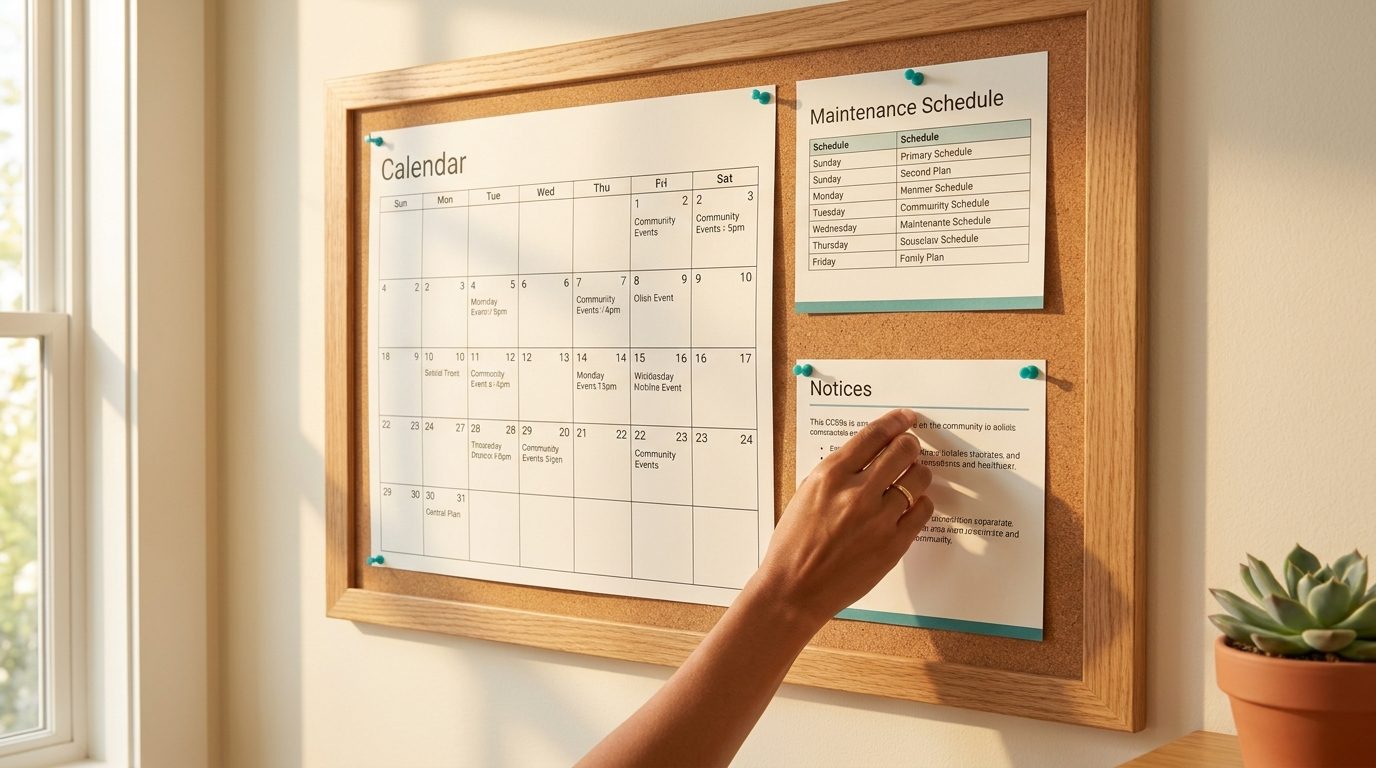
Effective boards build a maintenance calendar, set inspection frequencies for every major asset, and track vendor contracts and warranty expirations. This is the kind of operational work where HOA accounting software with document and vendor tracking modules adds practical value.
Rule Enforcement
The board enforces the CC&Rs and rules and regulations, which typically govern landscaping standards, exterior modifications, parking, noise, and pet policies. Enforcement must be consistent. Selective enforcement, where one owner receives a warning for the same violation another owner received a fine for, is a recognized legal risk and a source of community conflict.
A written violations process helps: notice, cure period, hearing, fine. Most states require that owners receive written notice and an opportunity to be heard before a fine is imposed. The board should document every step.
Meeting Management
Most HOAs are required by their governing documents and state law to hold at least one annual meeting of the full membership and regular board meetings throughout the year. The board must provide advance notice, establish a quorum before voting, and keep minutes. Minutes are legal records, not summaries of discussions. They should capture attendance, motions made, votes, and decisions, not the debate that preceded them. HOA governance requirements vary significantly by state, so boards should review applicable state statutes when establishing their meeting cadence and notice periods.
Homeowner Communication
Proactive communication reduces conflict. When owners understand why a rule exists, what a special assessment covers, or why dues increased, they are less likely to push back. Many states require specific notice periods for certain actions, particularly assessments above a threshold or changes to governing documents. Boards that communicate only when something goes wrong tend to face more contested situations than those that communicate routinely.
Self-Managed HOA vs. Professional Management Company
This is the central operational decision for most HOA boards. Both paths can work. The question is which one fits your community’s size, complexity, and volunteer capacity.
When to Self-Manage
Self-management makes the most sense for smaller communities, typically under 100 to 150 units, with a stable volunteer board and manageable operational complexity. If the community has few amenities, straightforward financials, and owners who are willing to put in real time, self-management keeps costs down and gives the board direct control over every decision.
The risk is volunteer burnout. A self-managed HOA runs on the goodwill of elected volunteers. When key board members cycle out or become unavailable, institutional knowledge walks out the door with them. Self-managed boards need written procedures for everything so incoming members can operate without a six-month onboarding period.
When to Hire a Management Company
Professional management is typically the better fit for larger communities (150+ units), those with significant amenities, or boards facing high turnover. A management company brings professional staff, established vendor relationships, legal knowledge of state HOA statutes, and dedicated software systems. It handles the daily volume of owner inquiries, maintenance work orders, and compliance tasks that can overwhelm a volunteer board. When evaluating firms, look for managers who hold CAI professional designations such as the Certified Manager of Community Associations (CMCA) or Association Management Specialist (AMS), which indicate training in HOA-specific statutes and financial requirements.
The tradeoff is cost and control. Management fees vary widely by region and association size. The board remains legally responsible for all decisions; the management company executes on board direction, not the other way around. A board that stops reviewing financial reports or attending meetings because “the management company handles it” may find itself approving expenditures it does not understand or missing vendor performance problems until they become expensive.
The Hybrid Path
A growing number of mid-size associations use a hybrid model: HOA management software handles the operational layer (payments, communications, document storage, maintenance tracking) while the board retains a management company specifically for legal compliance, large-scale vendor contracts, and regulatory filings. This keeps professional expertise available without paying for full-service management for tasks the board can handle itself.
The table below summarizes the decision framework.
| Factor | Self-manage | Professional management |
|---|---|---|
| Community size | Under ~150 units | 150+ units or high amenity count |
| Board availability | Stable volunteers with time | High turnover or limited volunteer capacity |
| Operational complexity | Low: few vendors, simple financials | High: pool, gym, gates, elevators, multiple vendors |
| Legal compliance | Board researches requirements | Management company tracks statutes |
| Cost | Lower (software + incidentals) | Higher (monthly management fee) |
HOA Management Best Practices
These practices apply regardless of whether the HOA is self-managed or professionally managed. They address the most common failure points boards encounter.
Keep Governing Documents Accessible and Current
CC&Rs and bylaws that no one can locate are governing documents that no one will follow. Every owner should have access to the current versions, and the board should review governing documents every three to five years to identify provisions that conflict with current state law or no longer reflect how the community actually operates. Amendments require member votes, so boards that discover an outdated provision during a dispute face a much harder path than those who update documents proactively.
Enforce Rules Consistently
Inconsistent enforcement undermines the legitimacy of the rules and exposes the board to legal liability. If the board enforces a parking rule against one owner but not another in similar circumstances, it has a problem. Written enforcement procedures and a log of every violation notice, hearing, and fine create the paper trail that defends consistent application.
Build a Healthy Reserve Fund
Underfunded reserves are the most predictable source of financial pain in HOA management. CAI defines a well-funded reserve as one where the balance equals at least 70 percent of the fully depreciated replacement cost of the association’s physical assets. Many associations fall well below that benchmark. A reserve study, conducted by a licensed reserve specialist, provides a 30-year projection of repair and replacement costs and the annual contribution rate needed to stay adequately funded. Boards that skip reserve studies tend to discover the gap only when a major repair bill arrives.
Communicate Proactively
Routine communication builds the social capital that makes difficult decisions easier. Monthly newsletters, maintenance notices, budget summaries, and meeting reminders keep owners informed between crises rather than only hearing from the board when something goes wrong. Owners who feel informed are less likely to assume the worst when an assessment is levied or a rule is changed. Email lists, a resident portal, and a simple community website cover most communication needs for a volunteer board.
Document Everything
Board decisions, vendor contracts, maintenance requests, rule violations, meeting minutes, and financial approvals should all be documented and stored where future board members can find them. HOAs with good documentation practices survive board turnover much better than those that operate on institutional memory. This is one area where software pays for itself quickly: a searchable document library and audit trail prevents the board from relitigating decisions that were already made.
HOA Management Software: What It Handles and When You Need It
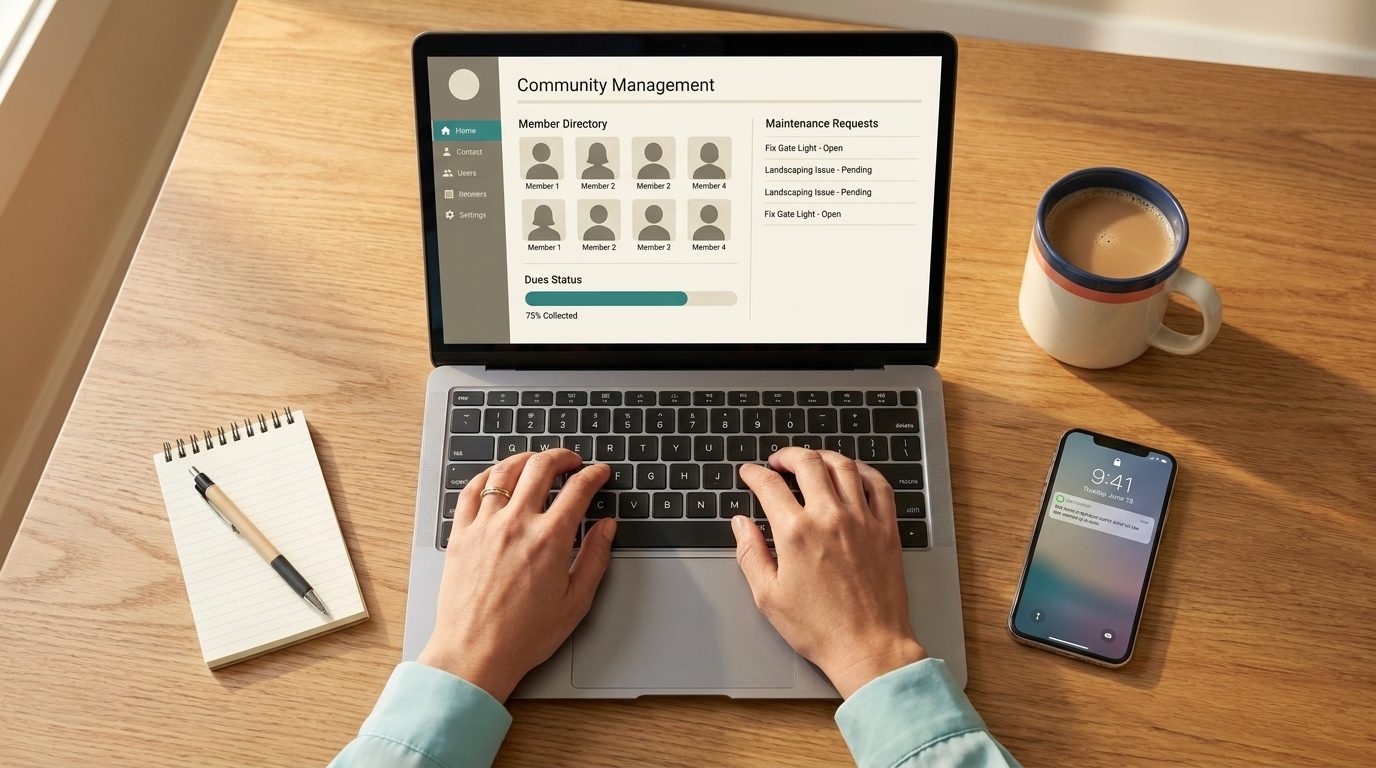
HOA management software handles the operational layer of association management: dues collection and payment processing, violation tracking, maintenance request routing, vendor contact management, document storage, resident communication, and sometimes accounting. It does not replace a management company for communities that need one, but it removes most of the manual coordination burden from volunteer boards that self-manage.
Software adds the most value for boards managing 50 or more homes without a full-time management company. At that scale, tracking dues payments in a spreadsheet, fielding maintenance requests by email, and routing vendor invoices through a shared inbox becomes unsustainable. A dedicated platform gives every board member visibility into the same information without requiring a central administrator to manually update everything.
When evaluating HOA management software, the most important criteria are payment processing (ACH and credit card, with automatic reminders and late fee handling), a resident-facing portal for maintenance requests and document access, violation tracking with built-in notice templates, and accounting integration or built-in financials. Ease of use matters for volunteer boards; a system that requires significant training will not be used consistently.
Raklet supports HOA boards that want to consolidate member communication, dues collection, and document management in one place. If you are building or revamping your community’s digital operations, explore HOA website examples for design direction, and review HOA website software options if a community website is part of the plan. For a full comparison of dedicated HOA platforms, the HOA management software guide covers what to look for and which tools fit which community sizes.
Managing a homeowners association comes with real operational demands, but most of them are predictable. Boards that document their processes, fund their reserves, communicate consistently, and enforce rules fairly tend to run communities where disputes are the exception, not the rule. Whether you self-manage or work with a professional company, the fundamentals are the same. See how Raklet supports HOA boards or schedule a demo to see the platform in action.
Frequently Asked Questions
What does an HOA manager do?
An HOA manager, whether a volunteer board member or a professional property manager, handles the day-to-day administration of a homeowners association: collecting dues, responding to maintenance requests, enforcing CC&Rs and community rules, coordinating vendors, preparing financial reports, and managing homeowner communications. The board retains legal authority over all major decisions; the manager handles execution.
Can you manage an HOA yourself?
Yes. Many HOAs, particularly smaller communities with 150 or fewer units, self-manage successfully. It requires a stable volunteer board with enough time to handle administrative tasks, and typically some combination of HOA management software for operations and a legal or accounting professional for specialized needs. Self-management is most sustainable when the board documents procedures so knowledge transfers when members rotate off.
Is it hard to manage an HOA?
Managing an HOA is not technically complex, but it is time-consuming and requires consistent follow-through. The most common challenges are rule enforcement (maintaining consistency across all residents), reserve fund management (planning for long-term capital expenses), and keeping homeowners informed and engaged. Boards that treat these as systems to maintain, rather than crises to react to, find the workload more manageable.
What is the biggest challenge for new HOA boards?
Most new boards underestimate the financial planning component, specifically reserve fund management. A community can operate smoothly for years while its physical assets age, and the reckoning arrives in the form of a large repair bill and insufficient reserves to cover it. A reserve study in the first year of a new board’s term gives the clearest picture of where the community stands and what funding adjustments are needed.
How much does HOA management software cost?
HOA management software pricing varies widely based on community size and feature set. Entry-level platforms for small communities often charge $20 to $50 per month. Mid-tier platforms with full accounting, violation tracking, and resident portals typically run $100 to $400 per month. Enterprise platforms with dedicated support for large communities or management companies managing multiple associations can run significantly higher. Most providers price per unit or per community, so the cost scales with size.
What is the difference between HOA management and property management?
HOA management governs a community association, including common areas, shared infrastructure, and the rules that apply to all property owners in the community. Property management handles individual rental units on behalf of individual owners. The two roles have different legal frameworks, different vendor relationships, and different day-to-day tasks. An HOA board looking for professional management help should work with a firm specializing in community associations, not a residential property management company whose core business is managing rentals.
What should an HOA reserve fund cover?
Reserve funds are designated for major repairs and replacements of common area assets: roofs, HVAC systems, exterior painting, swimming pool equipment, parking lot resurfacing, elevators, and other long-lived components. They are not for operating expenses such as landscaping or utilities, which come out of the operating budget. CAI considers a reserve adequately funded when the balance equals at least 70 percent of the fully depreciated replacement value of the association’s physical assets. A professional reserve study provides the specific annual contribution rate for each community’s asset profile.